Battery
Where there is no cable
Long range radio and a coin cell battery. In a mining trial, one cell sent about 31,000 full waveform captures.
Next generation sensors
Full waveform captures, engineered for your machine, and built for the places that destroy ordinary instruments. This is where the data starts.
Inside the sensor
Each node reads the machine, works on the signal and sends it. It is potted in polyurethane for harsh plant, and coupled to the machine in a way engineered for the job.

An ordinary sensor
Sends one average number every few minutes. The small sharp knock of a failing part is gone before anyone sees it.
Our sensors
Capture the full waveform and send it complete. The knock is still there when we look, with the time and the machine it came from.
What the nodes measure
Every node carries the same core sensing. Where the answer needs more, we connect the right instrument, ours or a third party's.
At the edge
The work starts on the node, before any data leaves the site. That is how short events survive.
Full waveform
Each capture keeps the high frequency signal. Short events such as an impact or a bearing knock are not averaged away. Wired nodes stream without a break.
One clock
Nodes resynchronise every hour, so readings across a whole deck or line can be compared to the moment.
Built on proven designs
Approved designs are reused for new jobs, so your problem does not start from scratch.
Gateways and edge compute
Gateways, and edge computers where needed, process data on site before it leaves.
Updated in place
Settings and firmware go over the air, so nodes are set up and updated without coming off the machine.
Identity built in
Every node knows which machine and position it belongs to. Swap a node and the machine keeps its history.
Where does the data go? What we collect, how it is kept and what never touches your plant. Security and data
Three nodes
The job decides the node: where power is, how much signal the answer needs, and how often.
Battery
Long range radio and a coin cell battery. In a mining trial, one cell sent about 31,000 full waveform captures.
Wi-Fi
Large waveform captures for detailed analysis. Runs on mills and cyclone clusters today.
Wired
Streams the full waveform without a break, for the machines that matter most.
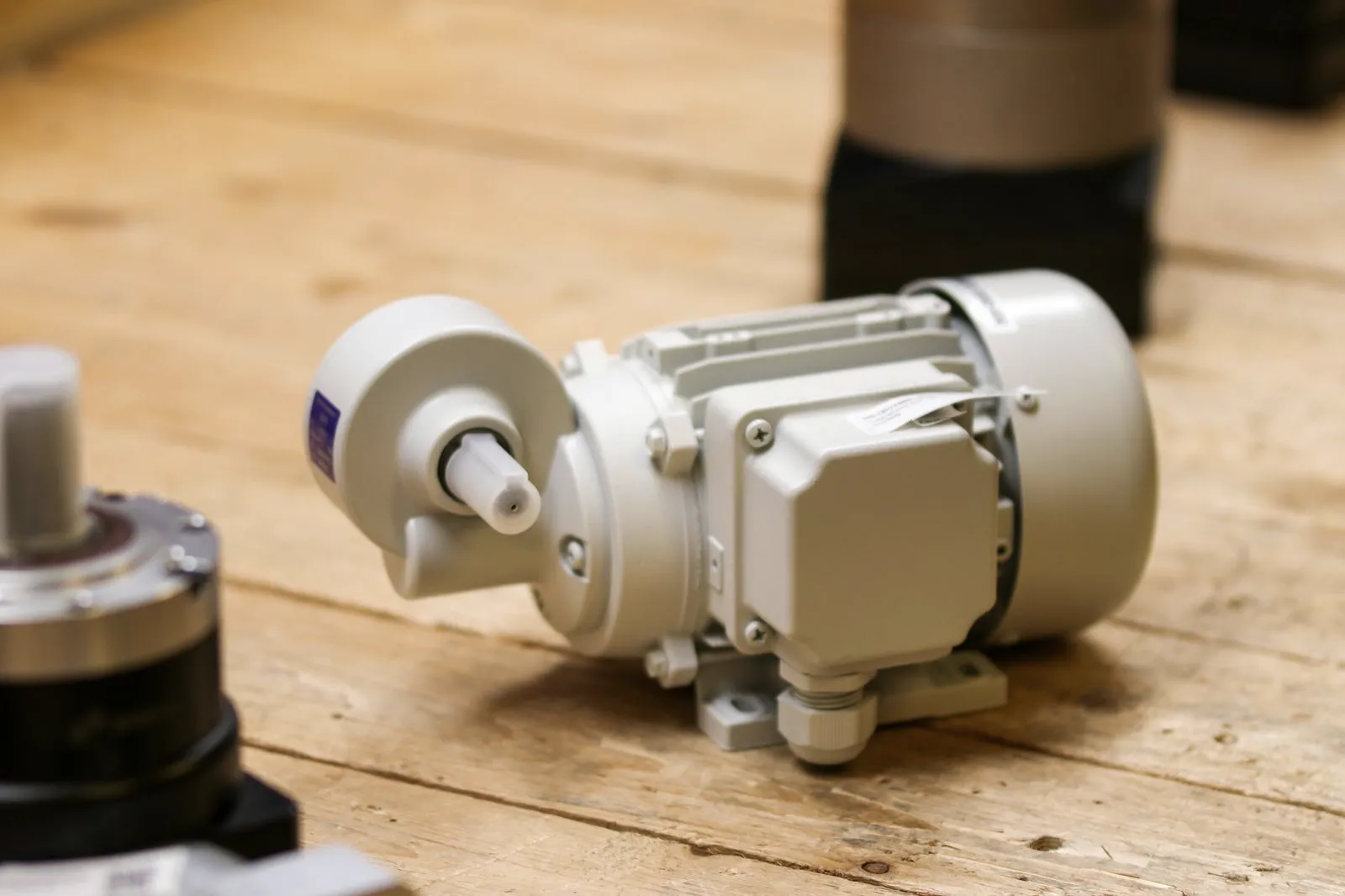
01 · Standard nodes
We design the mounting for your machine first, because how a sensor is fixed decides what it can hear. After that, every node goes on in minutes. Pumps, motors, fans, conveyors and gearboxes.
02 · Nodes built for the problem
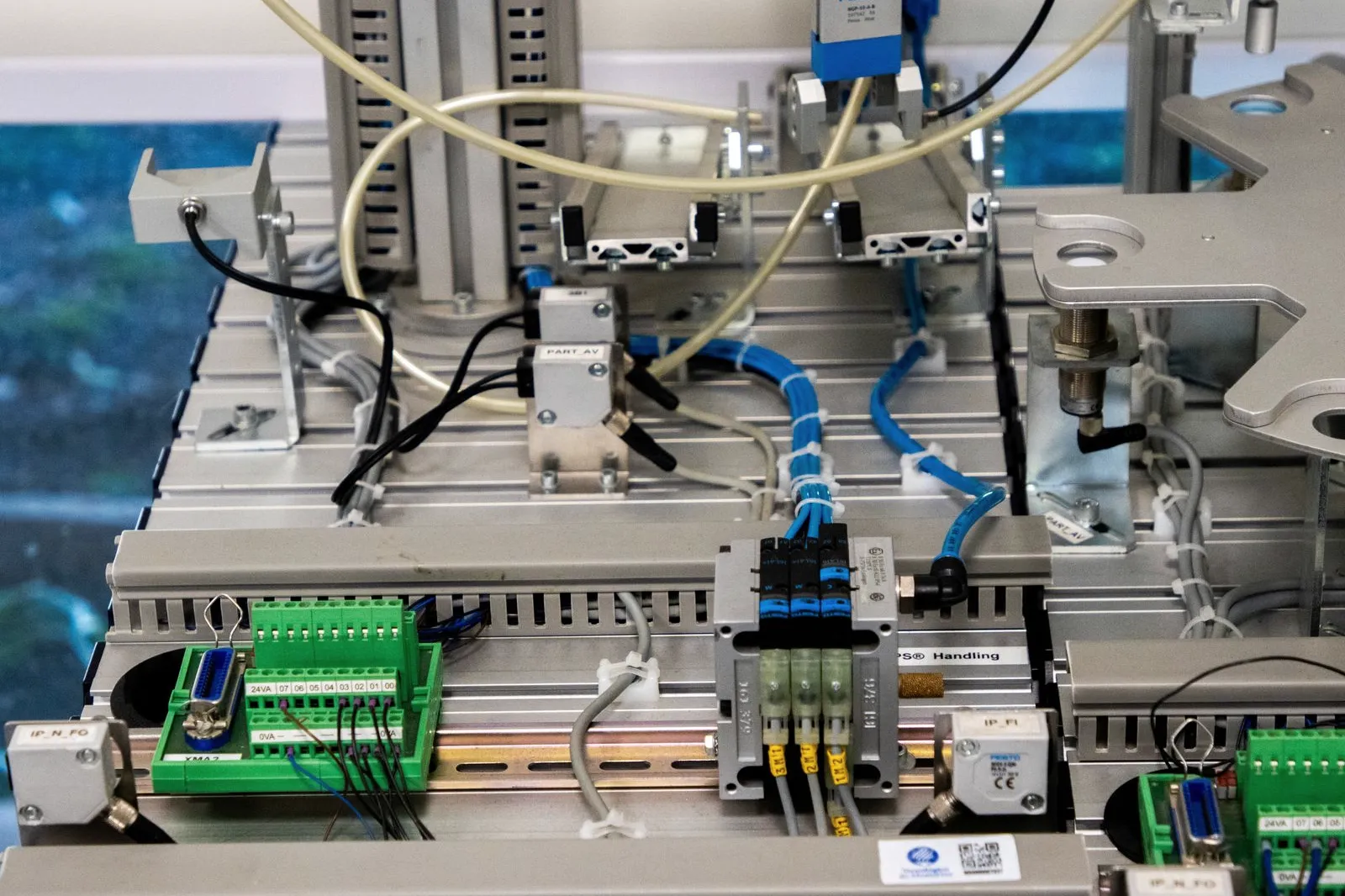
When the answer needs something unusual, we build a node around it. We start from the question, choose the senses, and design the node to live where it has to.
Built for hard plant
From our own nodes in the field.
31,000
Full waveform captures from one coin cell battery, in a mining trial
Potted
In polyurethane, coupled to the machine, built for dust, water and shock
Live
On grinding mills, screening decks and cyclones
The sensors are only the start. What you pay for is the answer: what the signal means for your process, and what to change. How we interpret it
Next step
A paid pilot fits sensors to one machine or process, interprets the signal live, and compares the result with a number you already track.