Markets · Rail and infrastructure
Know when the track is moving.
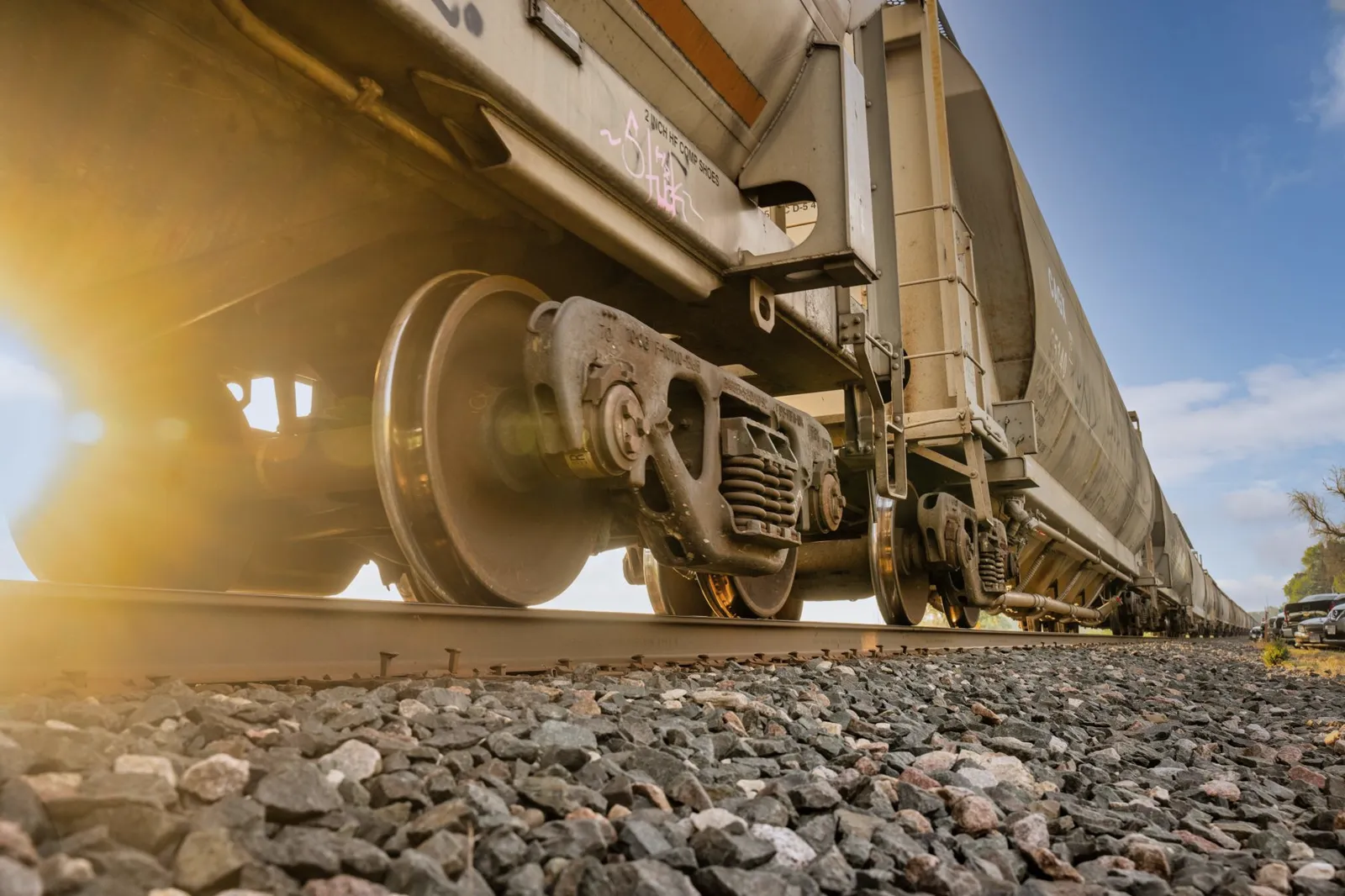
Track geometry drifts between inspections, and access windows are short. We are building a node that fixes straight to the rail, measures cant and twist, and flags the stretch that is moving.
In development, proof of concept being agreed
What you get
The answer, and what it is worth.
Every market starts from the question your current data cannot answer. Here is what we tell you, and where the money comes back.
What we tell you
- Cant and twist, measured on the rail
- Gradual change between inspections, section by section
- What passing trains do to the track
- Which stretch to send the crew to first
Where you save
- Inspections sent to the track that is moving
- Fewer emergency repairs
- Designed to fit faster than sleeper mounted kit
Our interpretation
Batch 14 drifting from your good batches
- Stage
- Heating, 2 of 3
- Seen
- Heating 9 minutes slower than your good batches
- Next step
- Check the cooling supply before the next addition
Where you saveFewer failed batches, and the reason they fail
What we measure
The signals behind the answer.
We pick the signals the job needs and connect the records you already hold. Each capture keeps the full waveform, so short events survive.
| Signal | Where it goes | What it tells you |
|---|---|---|
| Tilt | On the rail | Cant and cross level: the height difference between the rails |
| Twist | Between nodes along the track | How cross level changes over a length of track |
| Vibration | On the rail | When a train passes, so every reading has context |
| Movement | Structures and embankments | Settlement and shift around the track |
How the answer is built
From raw signal to a decision.
Four steps, run by our models and our engineers. Each one is logged against the asset or batch it belongs to.
- 01Fit
Nodes fix to the rail and work out where they sit relative to each other.
- 02Capture
Tilt and vibration are recorded, with every passing train marked.
- 03Trend
Cant and twist are trended section by section, between inspections.
- 04Act
When a section crosses an agreed threshold, the answer goes to your named contacts with the evidence, and can open a work order.
What arrives
An answer your team can act on.
Every answer says what happened, where, why it matters and what to do next, with its evidence, a confidence level, a named owner and a reply deadline.
The pilot
Scoped first
A bounded engineering proof of concept on a defined stretch, then field trials once the node is approved for track.
Book a site auditExample answer
- What happened
- Twist building between km 14.2 and 14.6
- Where
- Up line, between nodes 41 and 44
- Why it matters
- Moving over three weeks. Left alone it becomes an emergency repair
- What to do next
- Inspect that stretch first on the next planned visit
- Evidence
- Tilt trend by node, passing train records and the section history
- Confidence and owner
- Medium confidence, rising. Owner: track maintenance lead. Reply due this week
Questions
What rail and infrastructure teams ask first.
- Is this on the track today?
- Not yet. The rail node is in development, and a proof of concept is being agreed. Talk to us now if you want to be part of the first trials.
- Does it replace track inspections?
- It tells you where to look first. Inspection rules and maintenance decisions stay with your team.
- How is it different from sleeper mounted sensors?
- Those work, but they need specialist fitting and survey. Ours is designed to fix straight to the rail and set itself up, so it is quicker to fit.
Next step
Put our sensors on the line that worries you most.
A site audit shows where data is missing today, what it would tell you, and which machine or process to start with.